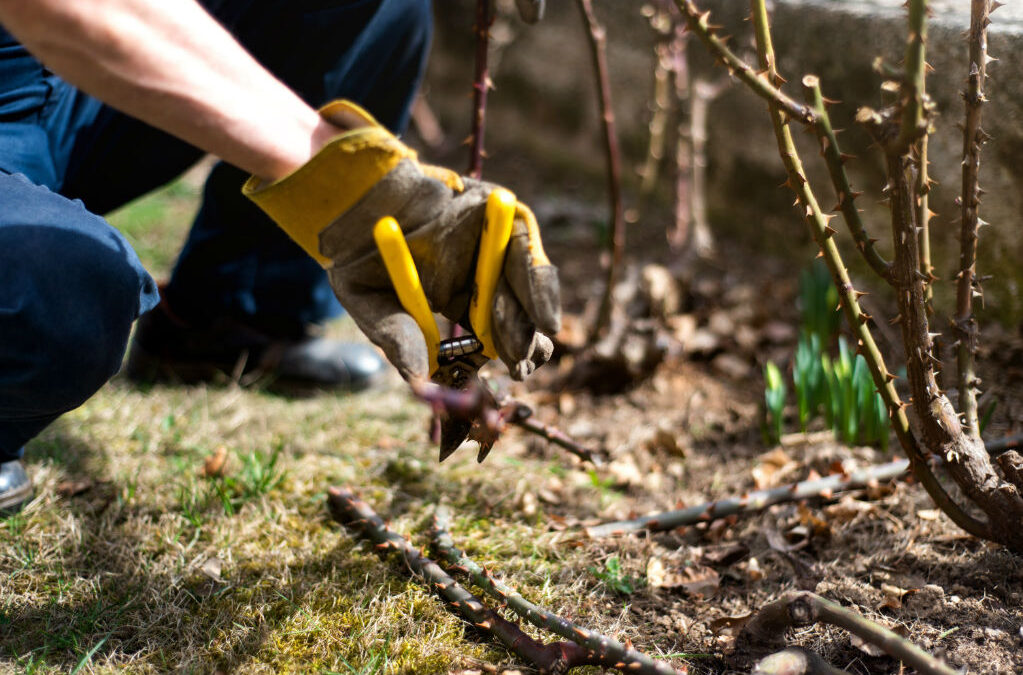
Have you ever stood in your backyard on a Sunday, clutching at the secateurs, and thought: “Is this the right time to cut this?” Well, this one’s for you! We’ve put together the kind of pruning calendar Australia wide gardeners have been asking for – to walk you through the year month by month.
Because too many gardeners don’t realise just how important timing is:
- Prune at the wrong time and you can reduce flowering, stress the tree, or even encourage disease.
- Prune at the right time and you improve structure, airflow, safety, and long-term health.
Our special pruning calendar is especially relevant for Gold Coast conditions – where winters are mild and growth never really stops. But we’ve also tried to make it relevant across much of Australia as well, with the odd minor seasonal adjustments.
Let’s get straight into it, one month at a time:
January – Summer growth control
This is peak growth season on the Gold Coast. Everything is thriving – sometimes a little too enthusiastically.
This is the time for light maintenance pruning:
- Removing dead or storm-damaged branches
- Trimming back fast-growing hedges
- Cutting back excessive new growth.
Avoid any heavy structural work in the extreme heat. Your trees are already under stress from the high temperatures. Focus on shaping and safety, not anything drastic.
February – Storm season clean-up
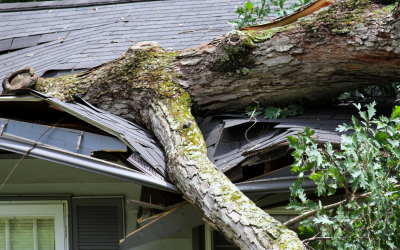
As we all know very well, late summer storms are really common in South East Queensland.
That makes February ideal for:
- Removing damaged limbs
- Clearing branches rubbing against roofs
- Reducing weight in overextended canopy sections.
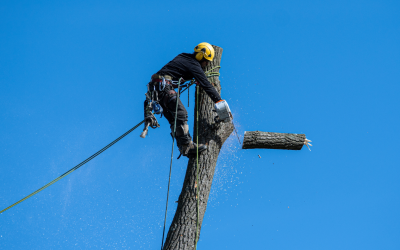
If you’re unsure about larger branches, this is when a qualified tree trimmer should step in – because storm damage can create hidden weaknesses that aren’t obvious from the ground.
March – Preparing for cooler months
March is when growth begins to slow slightly, making it a good time to:
- Prune flowering shrubs that have finished blooming
- Lightly shape ornamental trees
- Remove crossing or inward-growing branches.
Definitely avoid heavy pruning of trees that are about to enter a dormancy phase in cooler climates further south.
April – Structural pruning window opens
Autumn is one of the absolute best times to prune tree structure across our region but also much of Australia as well.
Why? Because the weather is milder. The trees are less stressed. And the disease pressure has dropped.
So, it’s when you can:
- Improve canopy shape
- Remove weak branch unions
- Thin crowded growth.
This sort of structural pruning really helps prevent storm damage later in the year.
May – Focus on deciduous trees
In cooler parts of Australia, deciduous trees will be dropping leaves in May.
That makes it a fantastic time to zoom in on the tree structure. So, once that foliage clears, you’ll be able to see really clearly what the branch framework looks like.
It’s also ideal for pruning trees in a more considered way, especially for shape correction or size control.
Here on the Gold Coast, where deciduous species are less dominant, focus on structural tidying – and stay away from heavy cuts.
June – Winter dormancy work
Winter? That’s prime time for some serious pruning in pretty much every Aussie region.
Why? Because dormant trees respond well to heavier cuts due to:
- Energy demand being lower
- Slower sap flow
- Decreased insect activity.
If you’ve been meaning to properly prune tree limbs for height reduction or structural correction, winter is usually your safest window for that.
It’s a different set of rules, however, for palms. In this case, only remove the dead or fully browned fronds – and leave the green ones alone.
July – Fruit tree attention
July is excellent for fruit tree pruning in much of Australia.
We’re talking stone fruit, apples, pears – they all really benefit from winter pruning to:
- Improve airflow
- Increase light penetration
- Encourage productive growth.
Do your proper pruning now, and you’ll directly influence the quality of your fruit a little bit down the road. Do it wrongly, though, and you could set your fruit trees back literally years.
The keyword, then, is precision.
August – Pre-spring preparation
As spring approaches, that means one thing – increased sap flow.
That makes late winter your last window for heavier structural cuts before active growth resumes.
Here’s what you should focus on:
- Removing weak or diseased branches
- Reducing canopy weight
- Clearing branches near structures.
And then once spring hits, recovery will become more growth-focused.
September – Spring growth management
Spring! What this means is rapid growth. And it’s also maintenance time again.
So that means:
- Light shaping
- Hedge trimming
- Removing unwanted new shoots.
What you should avoid are the aggressive cuts on flowering trees that are about to bloom.
October – Control & containment
By this time of the year, so many species are pushing out strong new growth. So it’s when selective pruning will help you maintain size and shape without shocking the plant too much.
But remember – keep it controlled. Avoid over-pruning during this peak growth period unless it’s a safety situation or something.
November – Storm risk reduction
Before summer storms ramp back up again, it’s time to give your trees a nice, close inspection.
Then, think about removing:
- Any overhanging limb
- Heavy outer canopy growth
- Any weak branch attachments.
We call it proactive pruning, and it can really reduce the likelihood of storm damage.
December – Light touch only
December is the time to prepare for Santa – it’s not the time for major pruning work!
Instead, stick to:
- Removing deadwood
- Minor shaping
- Safety trimming.
Combine stress from the heat with heavy pruning and you’ll push your beloved trees into decline.
A quick word on timing
We hope this pruning calendar guide gives you a solid framework, but it’s also really important for us to note that every tree species responds differently.
The Gold Coast’s subtropical climate means growth cycles aren’t as clearly defined as in the cooler states. Some trees grow almost year-round, which is why hard-and-fast rules don’t always apply.
And when in doubt, professional advice matters.
When to call an arborist
There comes a point where seasonal maintenance turns into something that really shouldn’t be tackled with a ladder and a pair of secateurs.
So, if you’re dealing with:
- Large trees near structures
- Branches close to power lines
- Storm-damaged limbs
- Or significant height reduction …
… Then it’s absolutely the best move to speak with a qualified arborist rather than guessing.
Your trees will thank you, because improper pruning can cause all sorts of problems including long-term structural weakness, disease entry points, and other expensive future problems.
Here at JC Tree Services, our qualified arborists provide professional pruning services all across the Gold Coast and surrounding regions. Whether it’s seasonal maintenance or structural corrections, we’ll ensure your pruning is done safely and correctly.
If you’re unsure what should be pruned this month, contact JC Tree Services for practical advice and a free quote.