If you’ve got a tree on your property and you’re wondering whether you can remove it, the first thing to check is whether it’s protected. There are more protected trees QLD wide than most residents know about – and the complex regulations catch a lot of homeowners off guard.
Did you know that removing a protected tree without approval can include significant fines and orders to replace what was removed? In this important guide, we lay out the trees Queensland property owners ask about most – including what makes them protected, and what you need to know before any work begins.
What makes a tree protected in Queensland?
Before we dive into our list, it helps to understand how tree protection works here:
In Queensland, tree protection operates at two levels – state legislation and local council rules:
- The Vegetation Management Act 2004 covers broadscale clearing on rural land
- The Nature Conservation Act 1992 protects certain species regardless of where the trees grow.
On top of that, most local councils have their own tree protection policies that apply to urban and suburban properties.
Some trees are protected because of their ecological significance. Others are protected because of their size, age, or local heritage value. And in some cases, individual trees can be subject to a Vegetation Protection Order – a council-issued protection that applies specifically to that tree. We’ve written all about that here.
So remember: before removing any significant tree, check both state legislation and your local council’s requirements.
The top 8 most important protected trees in QLD
Queensland actually has a long list of protected species, but these are the 8 that come up most often for homeowners – and they’re the ones most likely to be sitting in your backyard without you realising they’re protected.
1. Hoop pine (Araucaria cunninghamii)
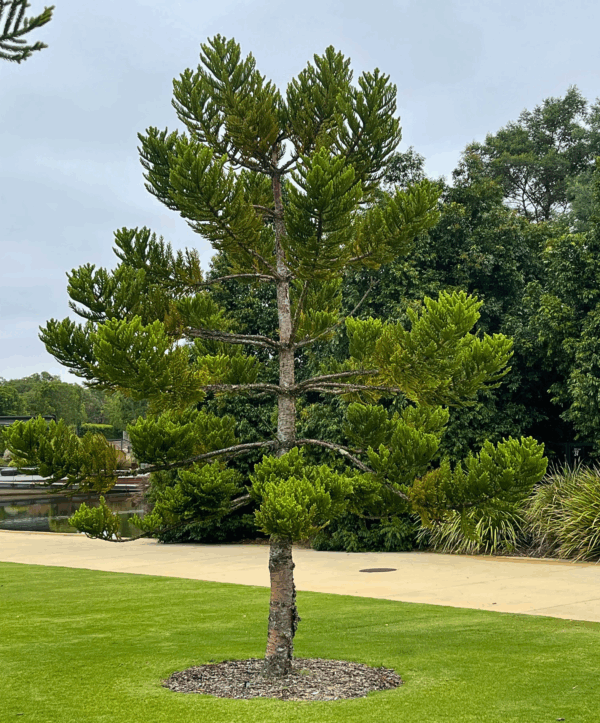
The Hoop Pine is one of Queensland’s most iconic native trees and one of the most commonly protected. It’s listed as a species of interest under various council planning schemes across Southeast Queensland, and its removal typically requires a development application regardless of size.
What To Know: Hoop Pines grow tall and fast, and they’re a significant habitat tree – which is a large part of why councils protect them so vigorously.
2. Brush box (Lophostemon confertus)
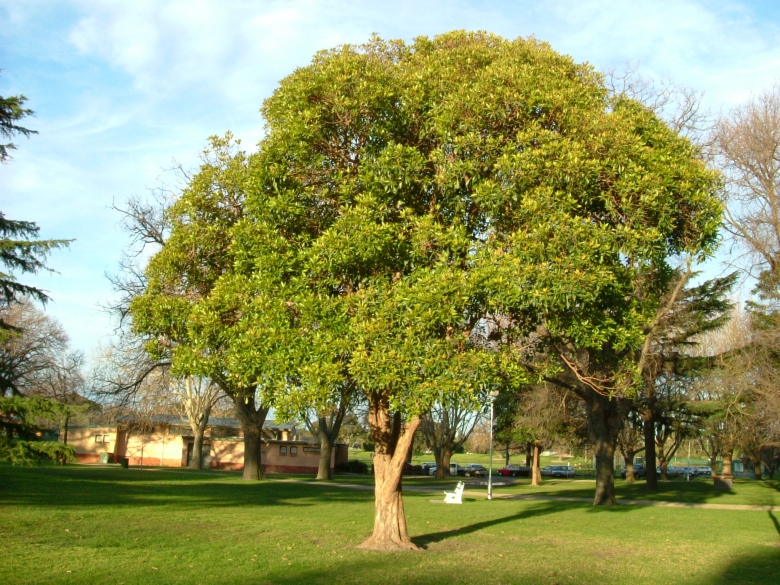
Brush Box is a large native tree common in Southeast Queensland streetscapes and bushland. Many councils – including Brisbane City Council – specifically list Brush Box as a protected species under their local laws, meaning removal requires approval and is often refused for healthy specimens.
What To Know: Even pruning a Brush Box significantly without approval can attract penalties under some local laws.
3. Eucalyptus species (Various)
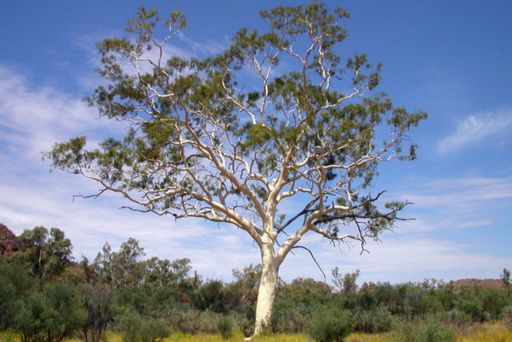
Several eucalyptus species native to Queensland carry protection under both state and local legislation. Significant eucalypts – particularly those above certain trunk diameter thresholds – typically require council approval for removal in urban areas. Many are also critical habitat trees for koalas, which adds an additional layer of consideration under Queensland’s koala protection framework.
4. Flooded gum (Eucalyptus grandis)
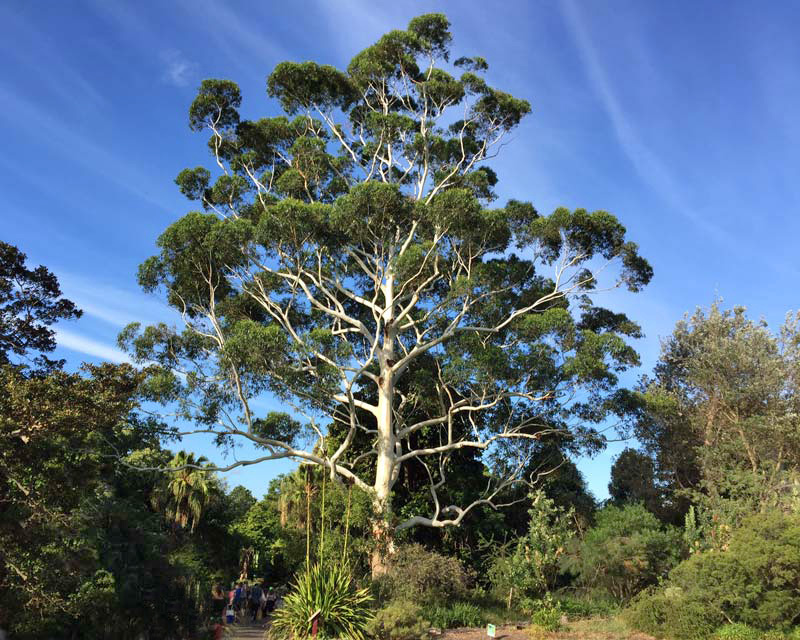
Flooded Gum deserves its own mention given how frequently it appears on Southeast Queensland properties and how often homeowners want it removed due to its size. It’s a koala food tree and habitat species, meaning its removal triggers koala protection considerations on top of standard tree protection rules.
What To Know: if you have a large Flooded Gum and a koala has ever been spotted in your area, expect council to scrutinise any removal application carefully.
5. Kauri pine (Agathis robusta)
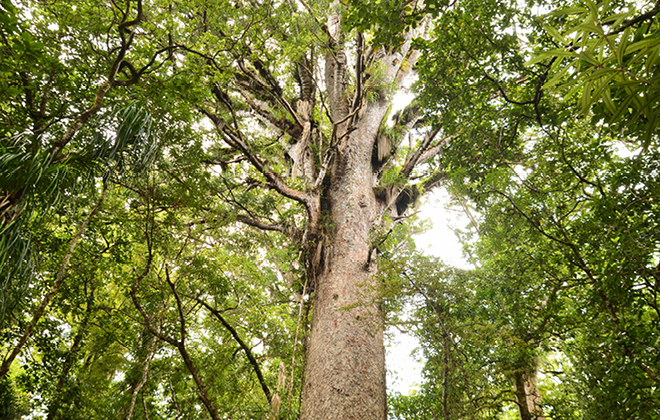
The Kauri Pine is a Queensland endemic species and one of the most strictly protected trees in the state. It’s listed under the Nature Conservation Act 1992 as a protected plant, meaning its removal is controlled at the state level – not just by local councils.
What To Know: Removing a Kauri Pine without the appropriate approvals is a serious offence.
6. Bunya pine (Araucaria bidwillii)
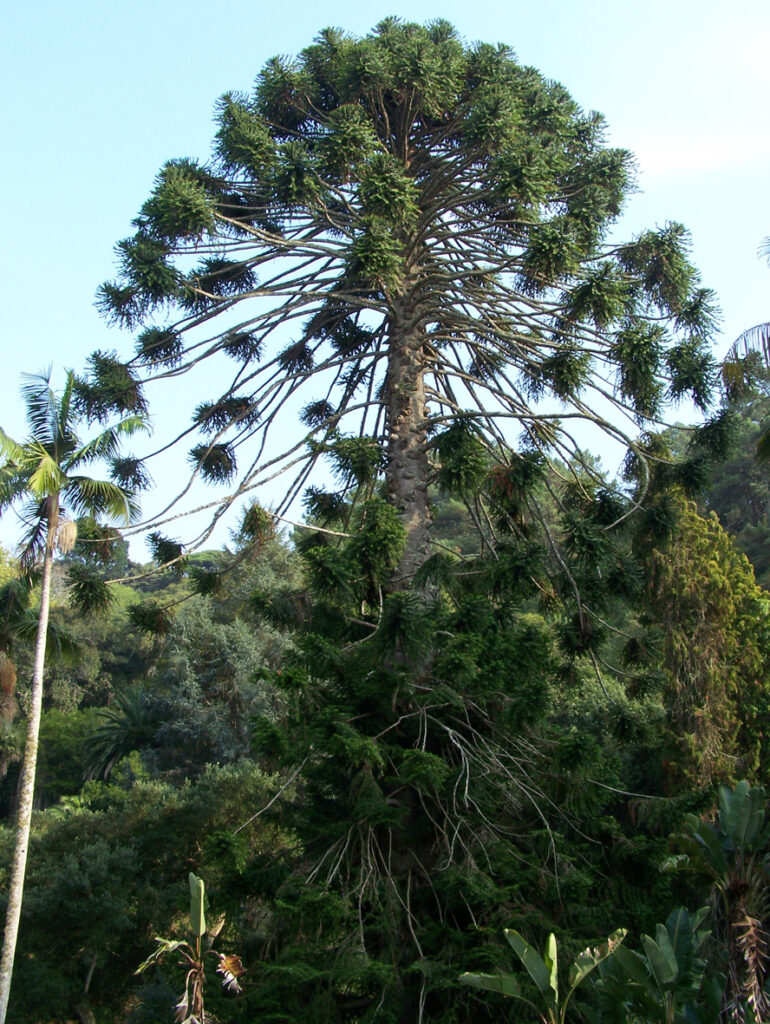
The Bunya Pine holds significant cultural value for Queensland’s First Nations peoples and is widely protected across council areas where it grows. Many local governments list it specifically in their protected tree schedules.
What To Know: Bunya Pines drop extremely large, heavy cones – which leads many homeowners to seek removal. This is a common reason for removal applications, but approval is far from guaranteed for a healthy specimen.
7. Paperbark (Melaleuca species)
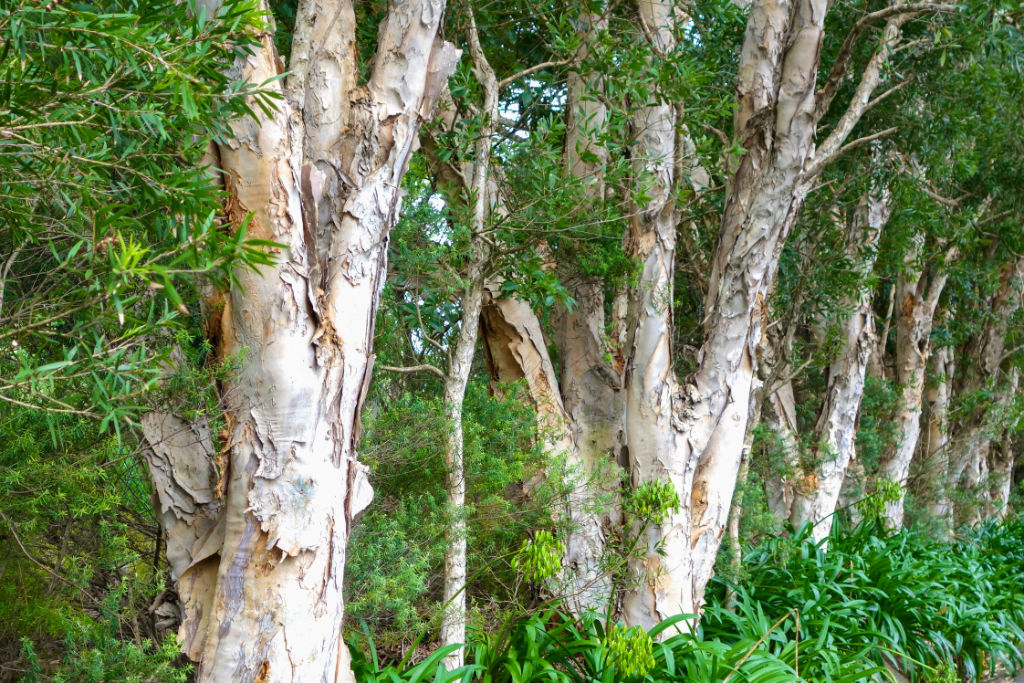
Are paperbark trees protected in QLD? Yes – in many parts of Queensland they are, though protection varies by species and location.
Melaleuca species growing near wetlands and waterways are frequently protected under both vegetation management legislation and local council laws. Riparian (waterway) paperbark trees in particular are subject to strict protections given their role in bank stabilisation and aquatic ecosystems.
8. Camphor laurel (Cinnamomum camphora)
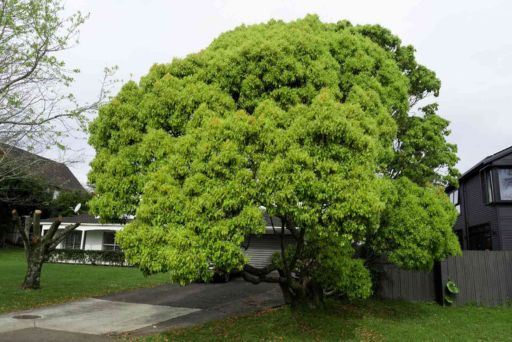
Camphor Laurel is interesting – it’s actually an invasive exotic species, but in some council areas older, large specimens have been granted heritage or amenity protection under local planning schemes despite not being native. In other areas, councils actively encourage removal.
What To Know: Whether your Camphor Laurel is protected or not depends entirely on your local council, so check before assuming either way.
Other protected trees in QLD worth knowing about
The full list of protected trees QLD residents might be interested in extends well beyond this top 8. Other species that frequently appear on protected tree schedules across the state include:
- Moreton Bay Fig (Ficus macrophylla)
- Tuckeroo (Cupaniopsis anacardioides)
- Tallowwood (Eucalyptus microcorys)
- Forest Red Gum (Eucalyptus tereticornis)
- Swamp Mahogany (Eucalyptus robusta)
- Various Melaleuca and Banksia species depending on location.
Are Jacaranda trees protected in QLD?
A special note about jacaranda trees – just because we’re asked about them so often. You probably already know that Jacarandas are not native to Australia – they originate from South America. And that means they don’t carry state-level protection.
However, some councils protect significant jacaranda trees on amenity or heritage grounds – particularly large, established specimens in heritage streetscapes. So make sure to check with your local council if you have a large jacaranda you’re considering removing.
What to know about removing protected trees in QLD
Regardless of which tree is involved, the process for removing a protected tree in Queensland generally follows the same path.
You’ll need to:
- Lodge a development application or tree removal application with your local council
- Provide justification for the removal
- And in many cases, commission an arborist report to support the application.
Remember, approvals are not guaranteed, and conditions – including replacement planting – are commonly attached when approval is granted.
What trees are protected in QLD that we haven’t mentioned? For advice on any tree on your Gold Coast property, JC Tree Services can assess your particular situation, provide a qualified arborist report, and guide you all the way through the approval process from start to finish. Get in touch today for your free quote.